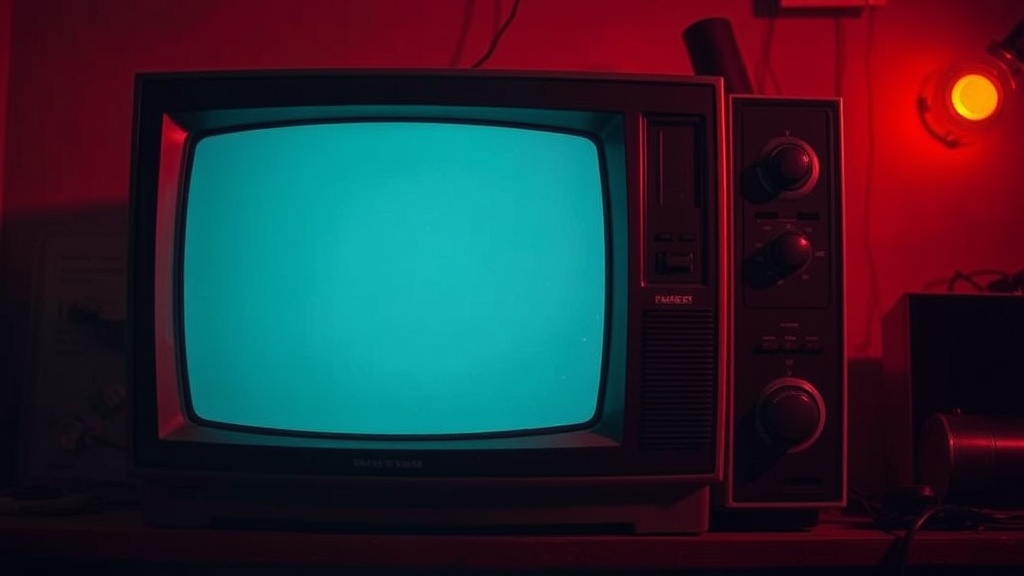
Why Your CRT Televisions Are Deteriorating Faster Than You Think

The Hidden Decay of Cathode Ray Tube Technology
A single high-voltage capacitor inside a vintage television can hold a lethal charge for days, even when the unit is unplugged. This isn't just a safety issue; it's a fundamental part of why these machines are failing. As we move further away from the analog era, the physical components that make a CRT function—the vacuum tube, the electron gun, and the shadow mask—are facing natural degradation. For collectors of retro gaming, understanding this physical breakdown is the difference between a lifelong collection and a pile of electronic scrap. We aren't just talking about software compatibility; we are talking about the literal death of the hardware through chemical and electrical fatigue.
The problem begins with the vacuum itself. Over decades, the seal on the glass bulb can weaken. If air leaks into the vacuum, the electron beam can no longer strike the phosphor coating correctly, leading to a dim or flickering screen. Most collectors assume that if they keep a TV in a dry room, it will last forever. However, heat is the silent killer. The internal components, specifically the electrolytic capacitors, are prone to drying out or leaking. When a capacitor fails, the voltage becomes unstable, which can lead to permanent damage to the internal circuitry or even a complete failure to power on.
Is it safe to store vintage TVs in an attic or garage?
Short answer: No. If you want your hardware to survive, you must avoid extreme temperature fluctuations. High heat accelerates the drying process of the electrolytic capacitors—those small, cylinder-shaped parts that regulate power. If a TV sits in a hot garage during the summer, the chemical-based components inside are essentially baking. This leads to a shorter lifespan and a much higher chance of a "pop" when you finally plug it in. Ideally, your collection should live in a climate-controlled environment with stable humidity levels.
Temperature isn't the only enemy. Humidity plays a massive role in the longevity of your vintage hardware. Excessive moisture in the air can lead to corrosion on the circuit boards. This isn't just surface-level rust; it's a slow, microscopic destruction of the copper traces. If you've ever seen a greenish residue on a motherboard, you're looking at the physical evidence of environmental damage. To keep things in top shape, aim for a humidity level between 35% and 50%. You might want to check out the Environment Canada archives if you live in a high-humidity region like the Maritimes, as local weather patterns directly impact your collection's health.
How do I know if my CRT needs a capacitor replacement?
You'll often see signs before a total failure occurs. If your screen flickers rhythmically, if the image is unusually dim, or if you hear a high-pitched whine coming from the back of the unit, those are red flags. These symptoms often point to "capacitor plague," a term used when the electrolyte inside a capacitor has leaked or evaporated. If you aren't comfortable with high-voltage electronics, do not attempt to open the casing. The internal components can hold a charge that is dangerous even when disconnected. Instead, seek out a professional technician who specializes in vintage electronics.
When you are looking for replacement parts, you can't just grab any modern capacitor. You need to match the voltage, capacitance, and temperature ratings exactly. For more technical specifications on how these components work, the Electronics Journal provides deep dives into circuit behavior and component lifespans. Using the wrong part is a quick way to turn a functional TV into a paperweight.
Can I use a modern LED monitor for retro gaming?
While an LED monitor is easier to set up, it changes the experience entirely. A CRT provides a specific type of motion clarity and a natural scanline effect that modern displays simply cannot replicate without heavy software emulation. The way an electron beam sweeps across the phosphor creates a sense of depth and responsiveness that is baked into the hardware. If you use an upscaler like the Retrotink, you're trying to mimic the look, but the actual latency and color reproduction will always differ from the original analog signal. For the purist, the CRT isn't just a screen; it's a part of the game's visual identity.
Maintenance is a marathon, not a sprint. Keep your eyes on the physical state of your gear. If you notice any discoloration in the glass or a change in the way the device sounds during startup, address it immediately. A proactive approach—checking your connections, keeping your storage areas cool, and monitoring for signs of heat stress—will ensure your collection stays vibrant for years to come. Don't wait for the screen to go black before you start caring about the environment your collection lives in.