Essential Tips for Starting Your Vintage Game Collection

Introduction to Vintage Game Collecting
If you're just beginning your journey into the world of vintage gaming, it's essential to understand a few basics. Collecting vintage games is not just about the nostalgia or the thrill of finding rare items. It's about preserving history and learning how to spot valuable pieces. Whether you're after classic consoles, rare games, or unique accessories, there are important tips to guide you along the way.
1. Start with Your Favorite Era
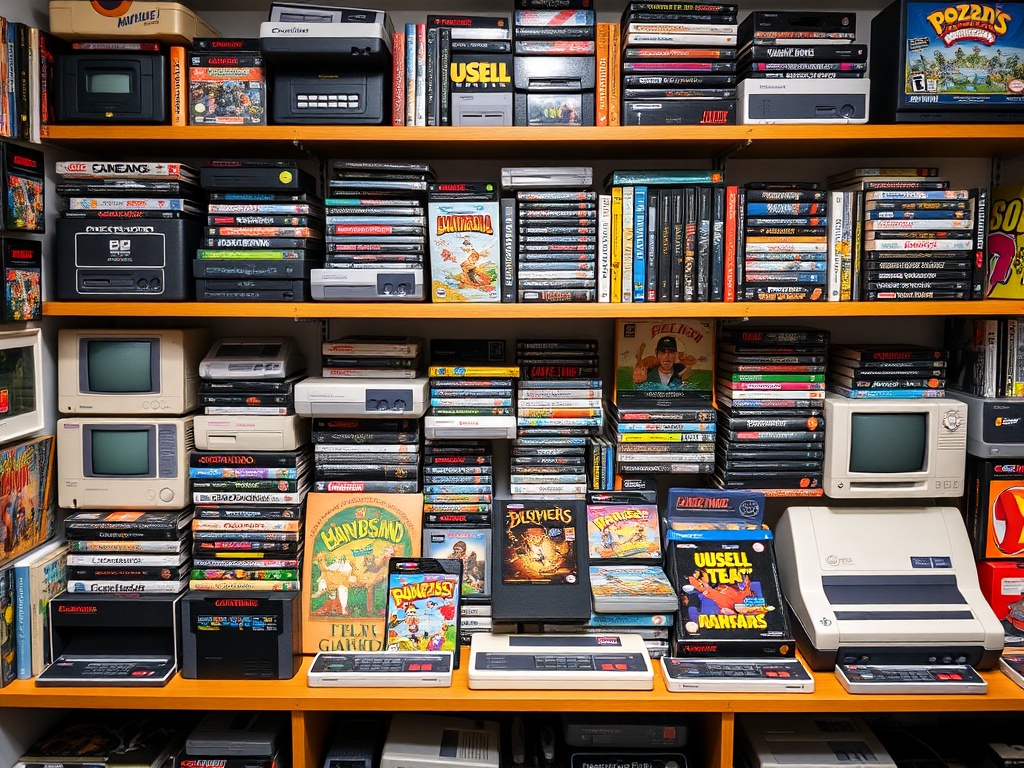
The first step in collecting vintage games is to focus on a specific time period or gaming console. You might be drawn to the 80s, the era of the Nintendo Entertainment System (NES) or Sega Genesis, or perhaps the 90s, with PlayStation and N64 games. Starting with your favorite era helps narrow down your search and gives your collection a personal touch.
2. Learn to Identify Genuine Items
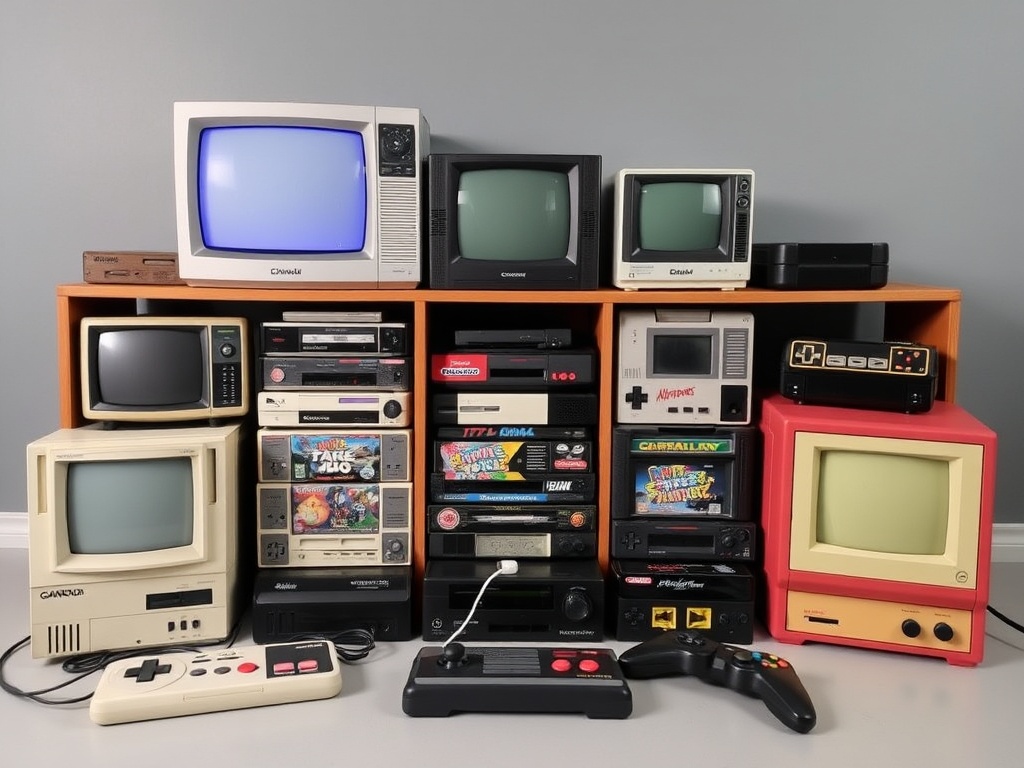
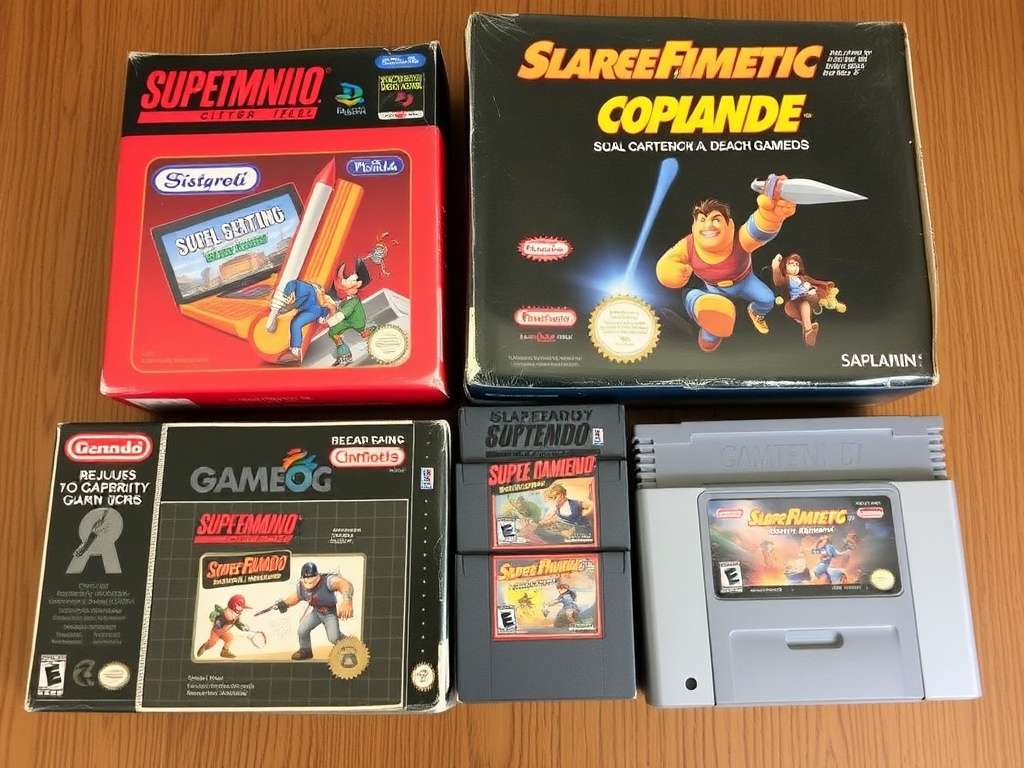
Authenticity is key in vintage game collecting. Counterfeit games or consoles are unfortunately common in the market. Always check for proper labeling, serial numbers, and packaging to ensure what you're buying is real. Sellers with good reputations or marketplaces like eBay, where collectors often share their expertise, can help you avoid buying fakes.
3. Condition Matters
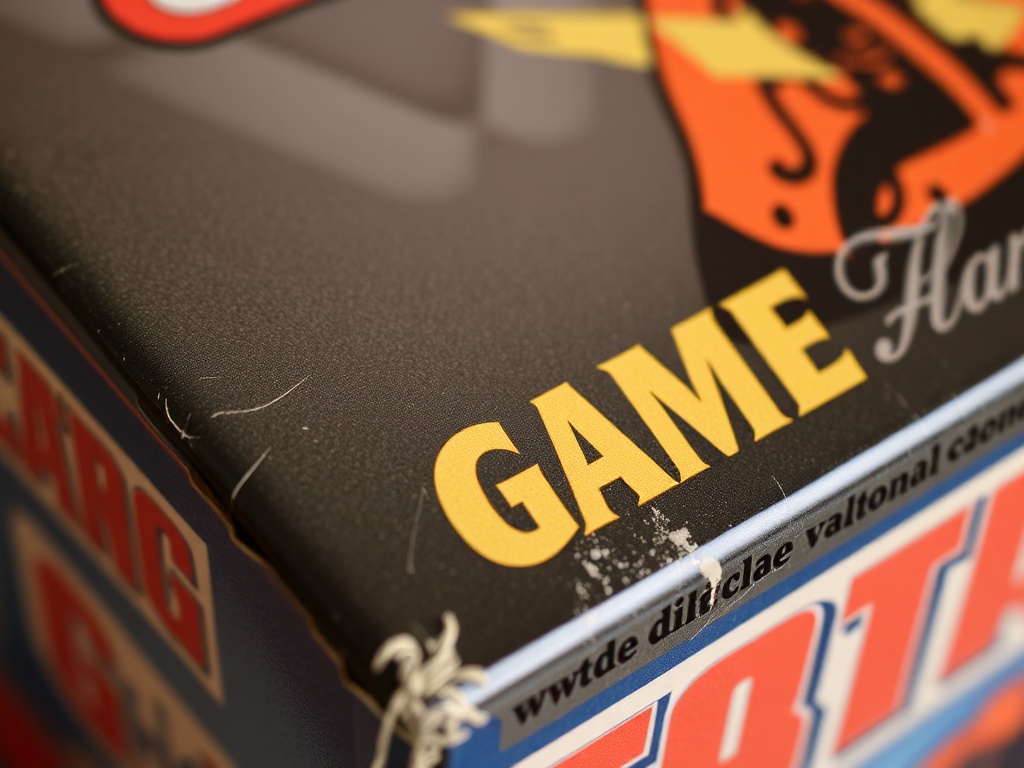
When you're hunting for vintage games, remember that the condition of the item significantly affects its value. Games in original packaging, with manuals, and in excellent condition can fetch higher prices. While it’s fun to find a bargain, you might want to avoid items that have been poorly stored or show significant wear and tear.
4. Focus on Rare Finds
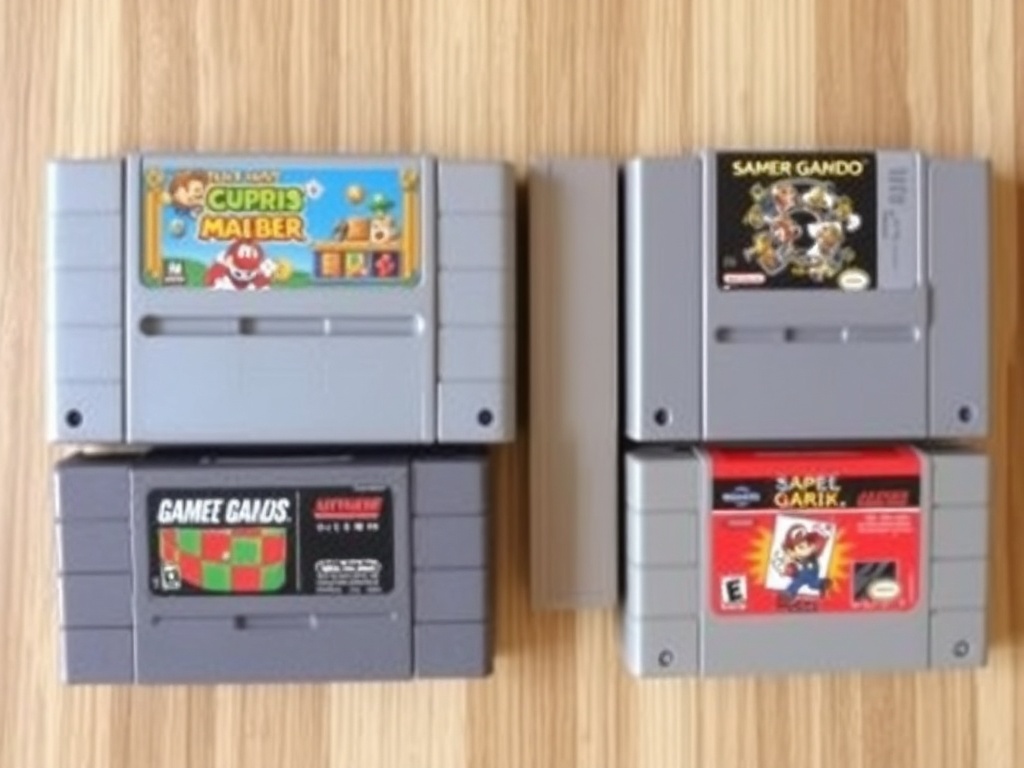
Some vintage games are harder to find than others. Limited edition games, games with low production runs, or special releases can be incredibly valuable. Research which games are rare and focus on these types of finds to maximize the investment value of your collection.
5. Use Online Marketplaces and Auctions
Online marketplaces like eBay, as well as auctions, are great places to find rare or hard-to-find vintage games. Always set a budget and don't get caught up in bidding wars that can push the price higher than it's worth.
6. Inspect Games in Person When Possible
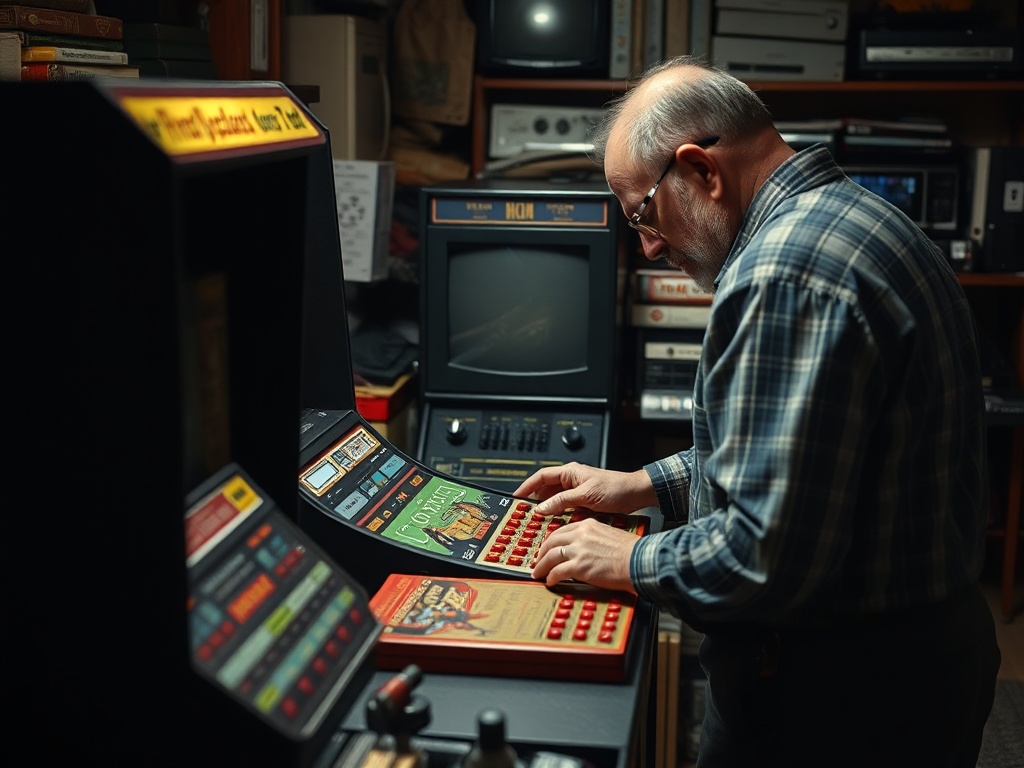
Whenever possible, inspect vintage games in person. This allows you to check the condition more thoroughly, test if a game works, and even get a feel for its authenticity. If you’re new to collecting, don’t hesitate to ask more experienced collectors for help in evaluating the game’s condition.
7. Consider Storage and Display
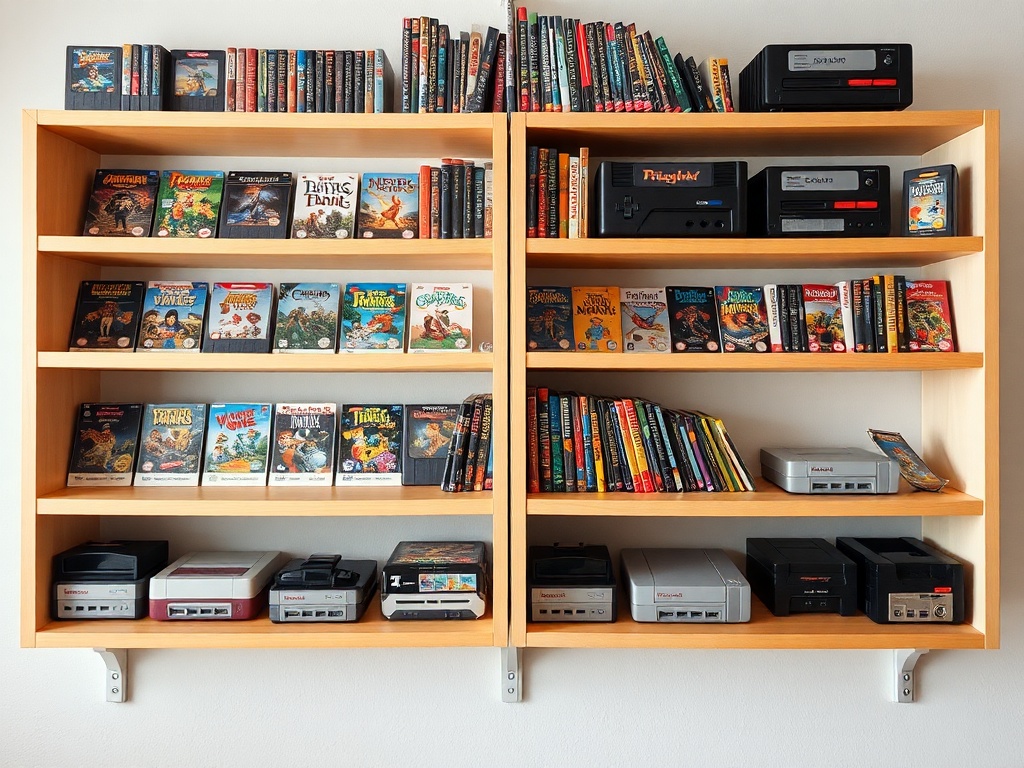
Proper storage and display are essential to maintaining the value of your vintage games. Keep games in a cool, dry place away from sunlight, which can damage both the discs and packaging. Invest in protective cases for the games and clear shelving for easy display.
8. Join the Community
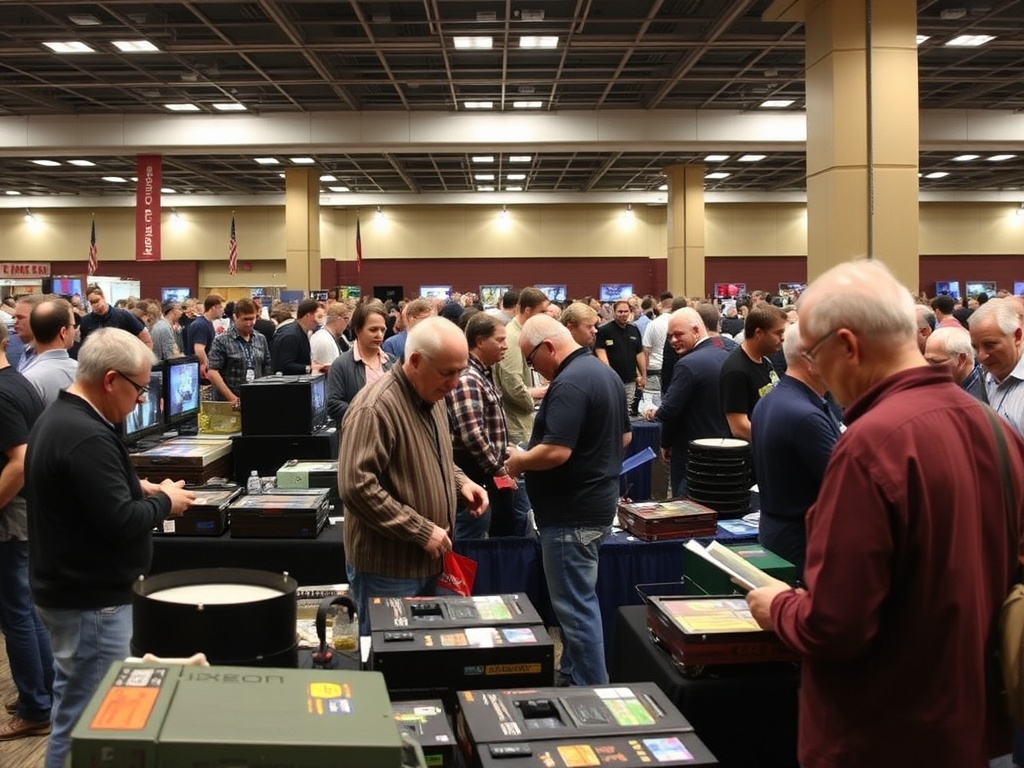
The vintage gaming community is full of passionate collectors who are often more than happy to share advice, tips, and even trade items. Forums, social media groups, and local conventions are great ways to connect with others who share your interest.
9. Keep an Eye on Market Trends
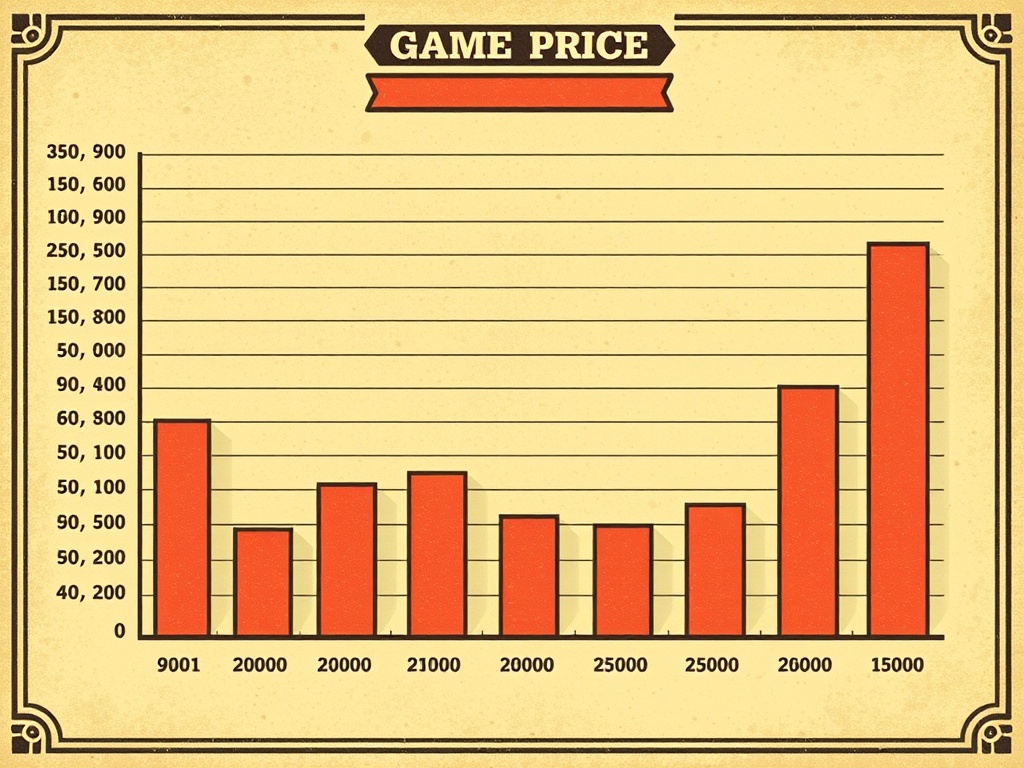
Like any collectible, the market for vintage games can fluctuate. Games that are popular today may lose value in a few years. Keeping an eye on the market trends will help you buy at the right time and sell or trade when your games reach their peak value.
10. Enjoy the Journey
Finally, remember that collecting vintage games is supposed to be fun. While it's tempting to focus on the financial value, the true joy comes from exploring the history of gaming and enjoying the experience of collecting. Each game tells a story, and it’s your job to preserve and enjoy that story for future generations.